
 admin
adminAs digital transactions continue to grow in scale and complexity, ensuring security, transparency, and trust has become a top priority for modern platforms. Blockchain technology has emerged as a powerful solution, offering decentralized and tamper-proof systems that enhance the integrity of digital transactions.
A platform such as MK8 reflects how modern systems are increasingly aligned with advanced technologies like blockchain to strengthen transaction security and user confidence. By integrating decentralized mechanisms, platforms can reduce risks and improve operational transparency.
🔗 What Is Blockchain Technology?
Blockchain is a distributed ledger technology that records transactions across multiple nodes in a network. Instead of relying on a central authority, blockchain ensures that all participants share the same data in a secure and transparent manner.
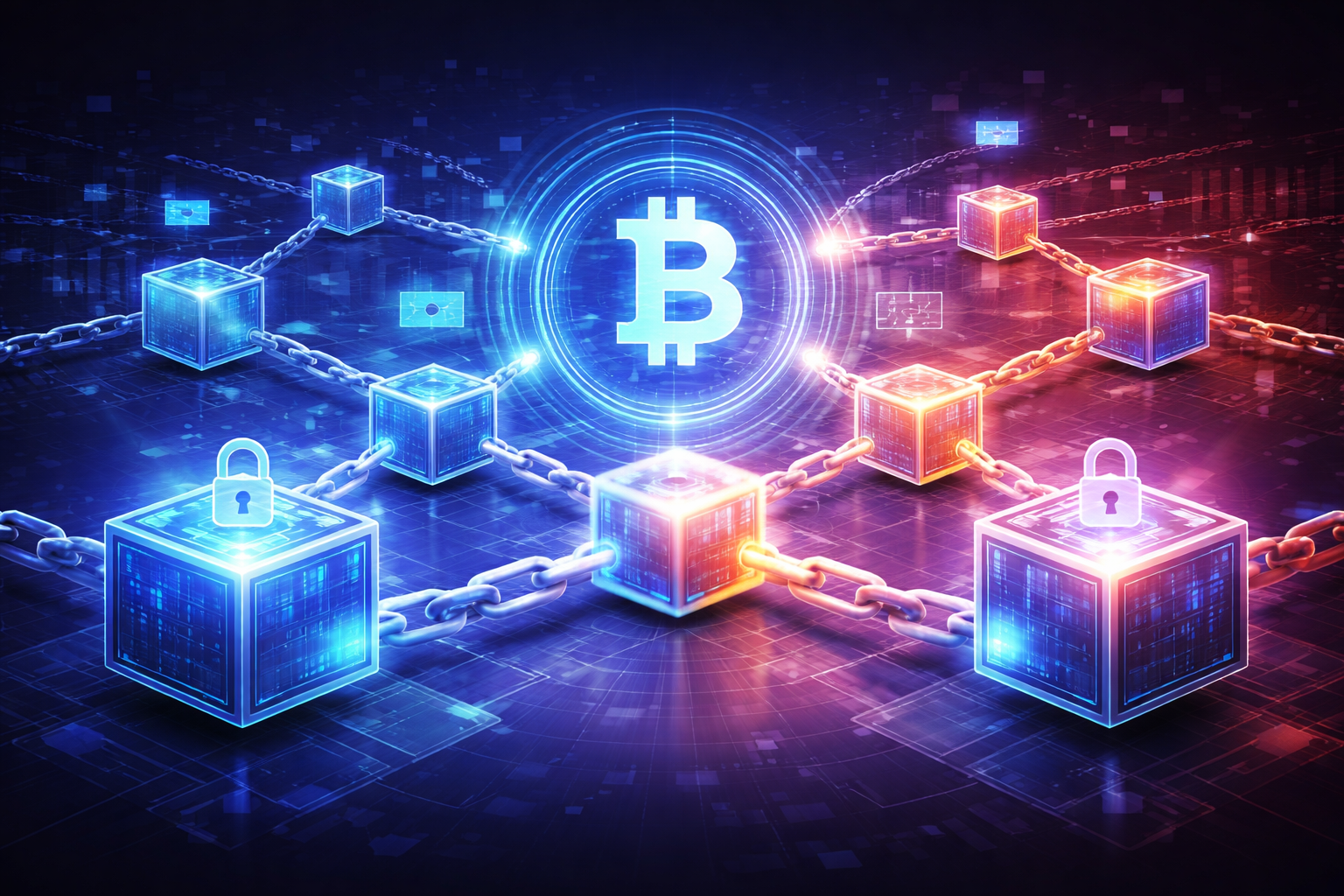
Each transaction is stored in a “block,” which is linked to previous blocks, forming a chain. Once data is recorded, it cannot be altered without affecting the entire chain, making it highly secure.
Key characteristics include:
- Decentralization
- Transparency
- Immutability
- Security
🔐 Enhancing Security in Digital Transactions
One of the biggest advantages of blockchain is its ability to enhance transaction security. Traditional systems often rely on centralized databases, which can be vulnerable to hacking or data manipulation.
Blockchain addresses these issues by:
- Using cryptographic encryption
- Eliminating single points of failure
- Validating transactions through consensus mechanisms
- Ensuring data integrity across the network
These features make blockchain highly resistant to fraud and unauthorized changes.
⚙️ How Blockchain Works in Practice
When a transaction is initiated, it is broadcast to a network of nodes. These nodes verify the transaction using consensus algorithms such as Proof of Work (PoW) or Proof of Stake (PoS).
Once verified:
- The transaction is added to a new block
- The block is linked to the existing chain
- The updated ledger is shared across all nodes
This process ensures that every transaction is recorded securely and transparently.
🚀 Benefits of Blockchain Integration
Blockchain technology provides several benefits for digital platforms:
🔒 Increased Security
Transactions are encrypted and validated across multiple nodes, reducing the risk of fraud.
🌍 Transparency
All transactions are visible on the ledger, ensuring accountability.
⚡ Efficiency
Eliminates intermediaries, speeding up transaction processing.
💰 Cost Reduction
Reduces operational costs by removing the need for third-party verification.
🔄 Smart Contracts and Automation
Smart contracts are self-executing programs stored on the blockchain. They automatically execute actions when predefined conditions are met.
For example:
- Automatic payment processing
- Instant verification of agreements
- Secure data sharing between parties
Smart contracts reduce the need for manual intervention and increase efficiency.
📊 Challenges and Limitations
Despite its advantages, blockchain also faces certain challenges:
- High energy consumption (especially in PoW systems)
- Scalability limitations
- Regulatory uncertainties
- Integration complexity
To address these issues, new solutions such as Layer 2 scaling and energy-efficient consensus mechanisms are being developed.
🔐 Use Cases in Digital Platforms
Blockchain is widely used in various digital applications, including:
- Secure payment systems
- Identity verification
- Supply chain tracking
- Digital asset management
In interactive platforms, blockchain can ensure fair transactions and transparent operations.
🔮 Future of Blockchain in Digital Transactions
Blockchain technology continues to evolve, with new trends shaping its future:
- Integration with AI and IoT
- Development of decentralized finance (DeFi)
- Improved scalability solutions
- Increased adoption across industries
These advancements are expected to make blockchain more efficient and accessible.
🎯 Conclusion
Blockchain technology is transforming how digital transactions are secured and managed. By providing decentralization, transparency, and strong security, it offers a reliable solution for modern platforms.
As digital ecosystems continue to expand, blockchain will play an increasingly important role in ensuring trust and efficiency. Platforms that adopt blockchain technology will be better positioned to handle the challenges of the digital future.